Embark on a journey through 5,000 years of history, culture, and tradition. Discover how a simple leaf transformed civilizations and connected the world.
From ancient Chinese legends to modern global culture, trace the remarkable journey of tea through the ages.
According to Chinese legend, Emperor Shen Nung discovered tea when leaves from a wild tree blew into his pot of boiling water. He was captivated by the pleasant aroma and found the resulting drink refreshing.
The first known written reference to tea appears in a Chinese document describing how to properly prepare and serve tea. Tea was initially used as a medicinal beverage before becoming a daily drink.
Tea drinking spreads throughout Chinese society. The first dictionary reference to tea appears, describing it as "a beverage made from boiled leaves." Tea gardens begin to flourish across China.
Lu Yu writes "Cha Jing" (The Classic of Tea), the first definitive book about tea. This masterpiece describes the cultivation, preparation, and appreciation of tea, elevating it to an art form.
Buddhist monks bring tea seeds from China to Japan. Tea becomes central to Japanese monastery life and eventually evolves into the refined Japanese tea ceremony (Chanoyu).
Zen priest Eisai promotes tea drinking in Japan for its medicinal properties. He writes "Kissa Yōjōki" (How to Stay Healthy by Drinking Tea), spreading tea culture among samurai and nobility.
Dutch traders bring the first shipment of Chinese tea to Europe. Initially expensive and rare, tea was consumed mainly by royalty and the wealthy elite as a status symbol.
Portuguese Princess Catherine of Braganza marries King Charles II of England, bringing her love of tea to the British court. Tea drinking becomes fashionable among British aristocracy.
American colonists protest British tea taxes by dumping 342 chests of tea into Boston Harbor. This pivotal event helped spark the American Revolution and changed global politics.
Robert Bruce discovers native tea plants growing wild in Assam, India. This discovery leads to the establishment of British tea plantations in India, breaking China's monopoly on tea production.
Anna, the 7th Duchess of Bedford, introduces the custom of "afternoon tea" in England to bridge the gap between lunch and late dinner. This tradition quickly spreads throughout British society.
At the St. Louis World's Fair, tea merchant Richard Blechynden serves chilled tea on a hot day, popularizing iced tea in America. Today, 85% of tea consumed in the US is iced.
New York tea merchant Thomas Sullivan accidentally invents the tea bag when customers steep tea samples he sent in silk pouches. This innovation transforms how the world brews tea.
Taiwan invents bubble tea (boba), combining tea with milk and chewy tapioca pearls. This playful creation spawns a global phenomenon, especially popular among younger generations.
Tea is the world's second most consumed beverage after water. Over 3 billion cups are drunk daily worldwide, with specialty teas, matcha lattes, and artisanal blends driving a tea renaissance.
From ancient China to modern-day Kenya, discover 11 countries that shaped tea culture. Click any region to explore its unique tea heritage.
True teas come from the Camellia sinensis plant, while herbal infusions offer caffeine-free alternatives from around the world.
Learn the ideal temperature, time, and techniques to brew the perfect cup of tea every time.
The quality of water greatly affects taste. Avoid distilled or heavily chlorinated water.
Rinse your teapot with hot water before brewing to maintain optimal temperature.
Use about 2 grams (1 teaspoon) of loose leaf tea per 8 oz cup for best results.
Quality loose leaf tea can be steeped 3-5 times. Each infusion reveals new flavors.
Discover the rich ceremonial traditions that transformed tea drinking into a spiritual and artistic practice.
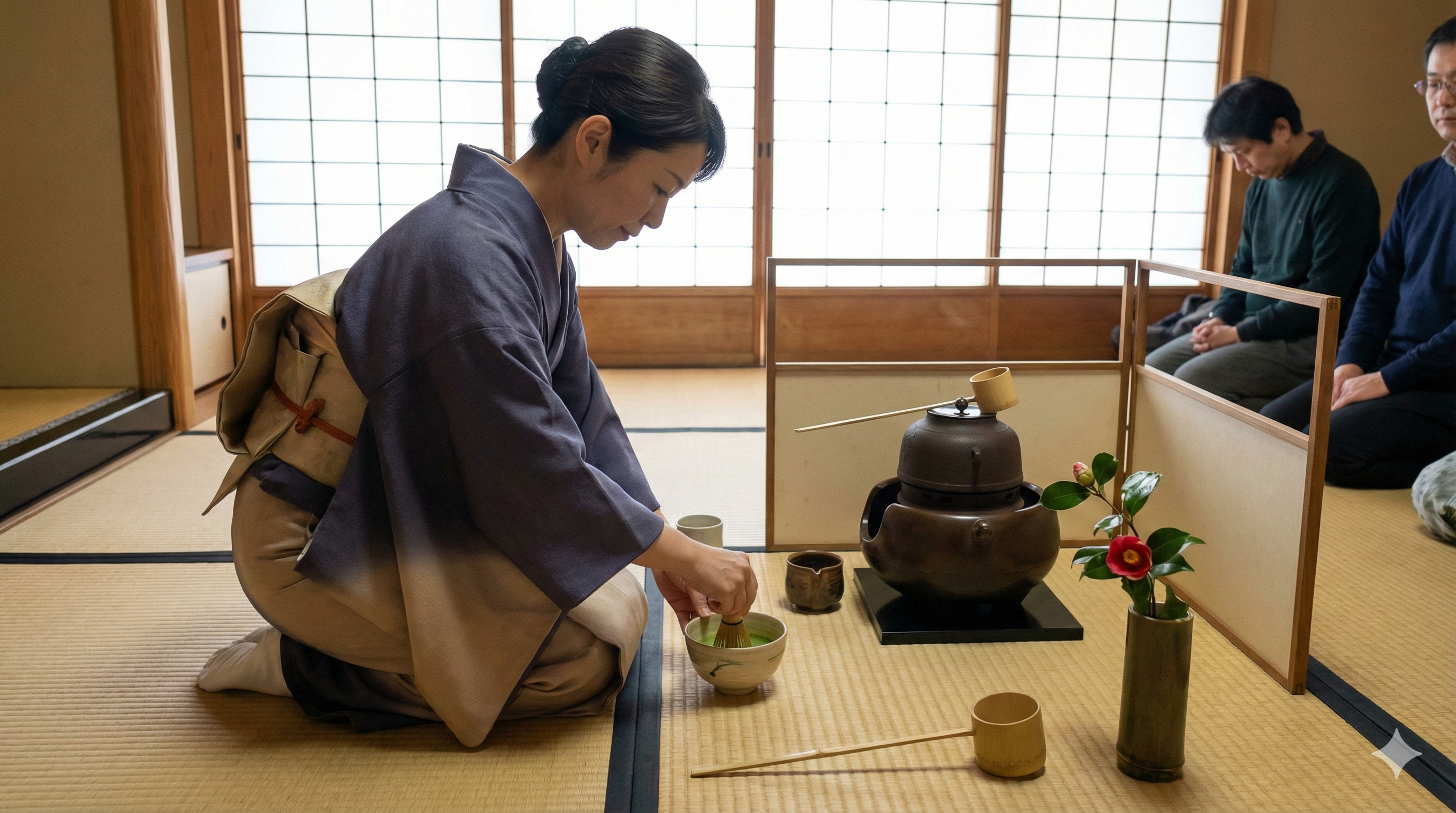
Chanoyu, meaning "the way of tea," is a choreographic ritual of preparing and serving Japanese green tea (matcha). Rooted in Zen Buddhism, it embodies four principles: harmony (wa), respect (kei), purity (sei), and tranquility (jaku).
Guests cleanse their hands and mouths at the tsukubai (stone basin) before entering.
The host meticulously cleans each utensil with graceful, precise movements.
Matcha powder is whisked with hot water using a bamboo whisk (chasen) until frothy.
The bowl is presented, admired, and consumed in three sips with gratitude.
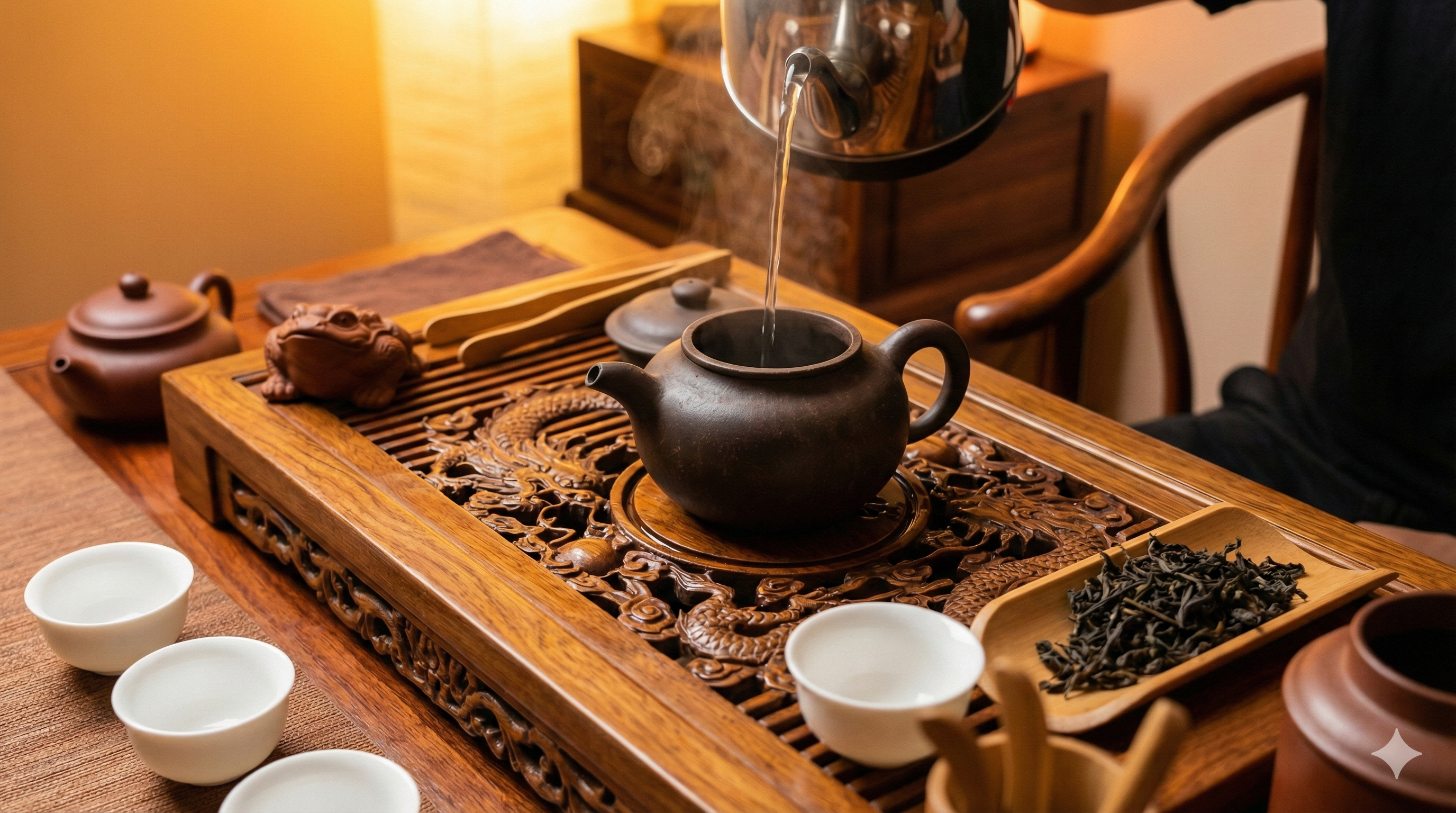
Gongfu cha, meaning "making tea with skill," is a traditional Chinese tea preparation method that emphasizes the quality of tea leaves and the art of brewing. It involves small teapots, multiple short infusions, and careful attention to water temperature and timing.
Hot water is poured over the Yixing clay teapot and cups to warm them.
The first infusion is discarded to "awaken" the leaves and remove impurities.
Tea is steeped for 20-30 seconds, with each subsequent steep slightly longer.
Guests savor the aroma and taste, noting how flavors evolve with each infusion.
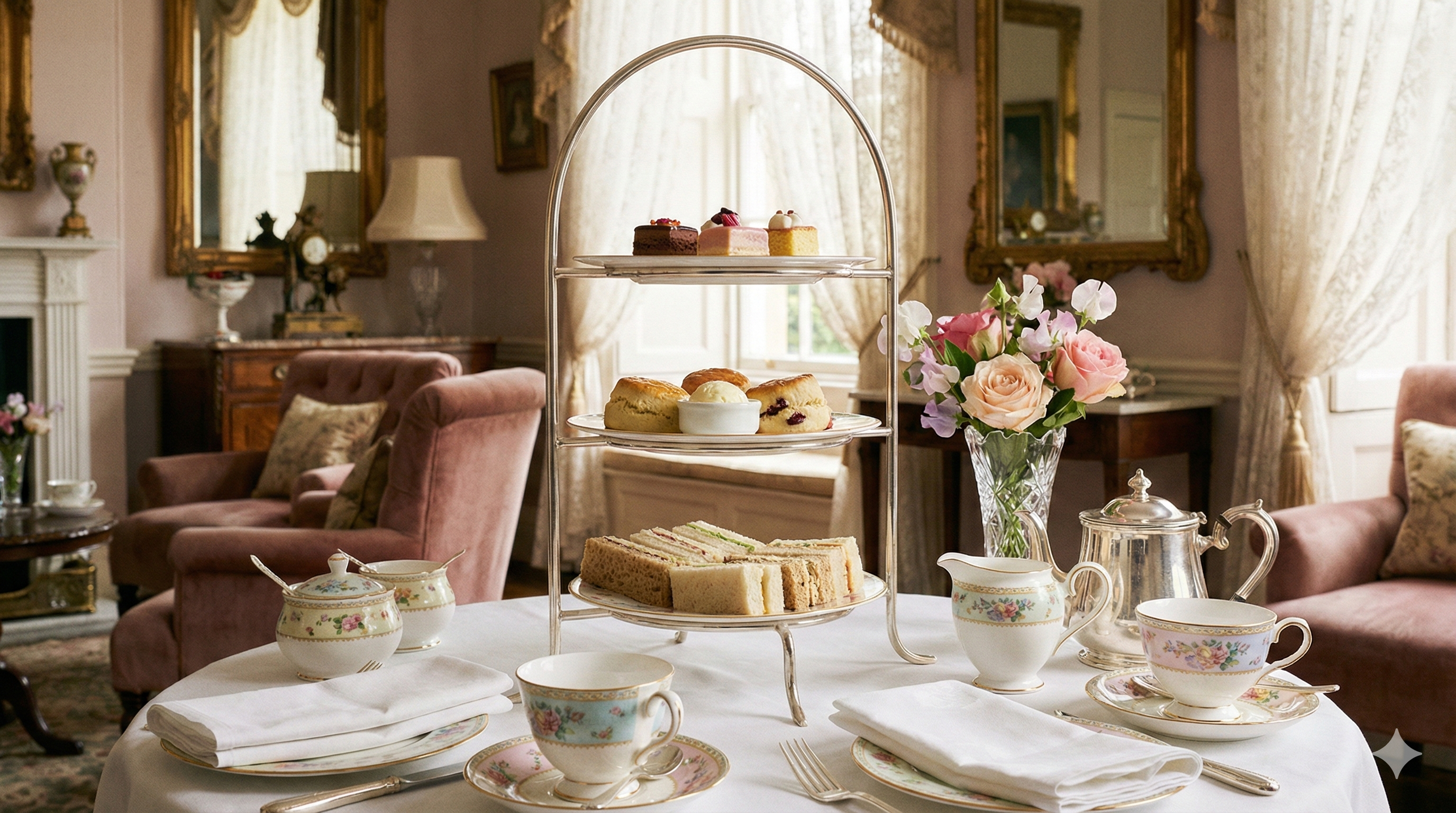
Introduced in the 1840s by Anna, Duchess of Bedford, afternoon tea became a beloved British institution. This elegant affair bridges the gap between lunch and dinner, featuring tea served with a tiered selection of savories and sweets.
Fine bone china, silver service, and crisp linens create an elegant atmosphere.
Finger sandwiches with cucumber, smoked salmon, and egg salad are served first.
Warm scones with clotted cream and jam follow—the cream first debate continues!
Delicate cakes, tarts, and petit fours conclude the experience.
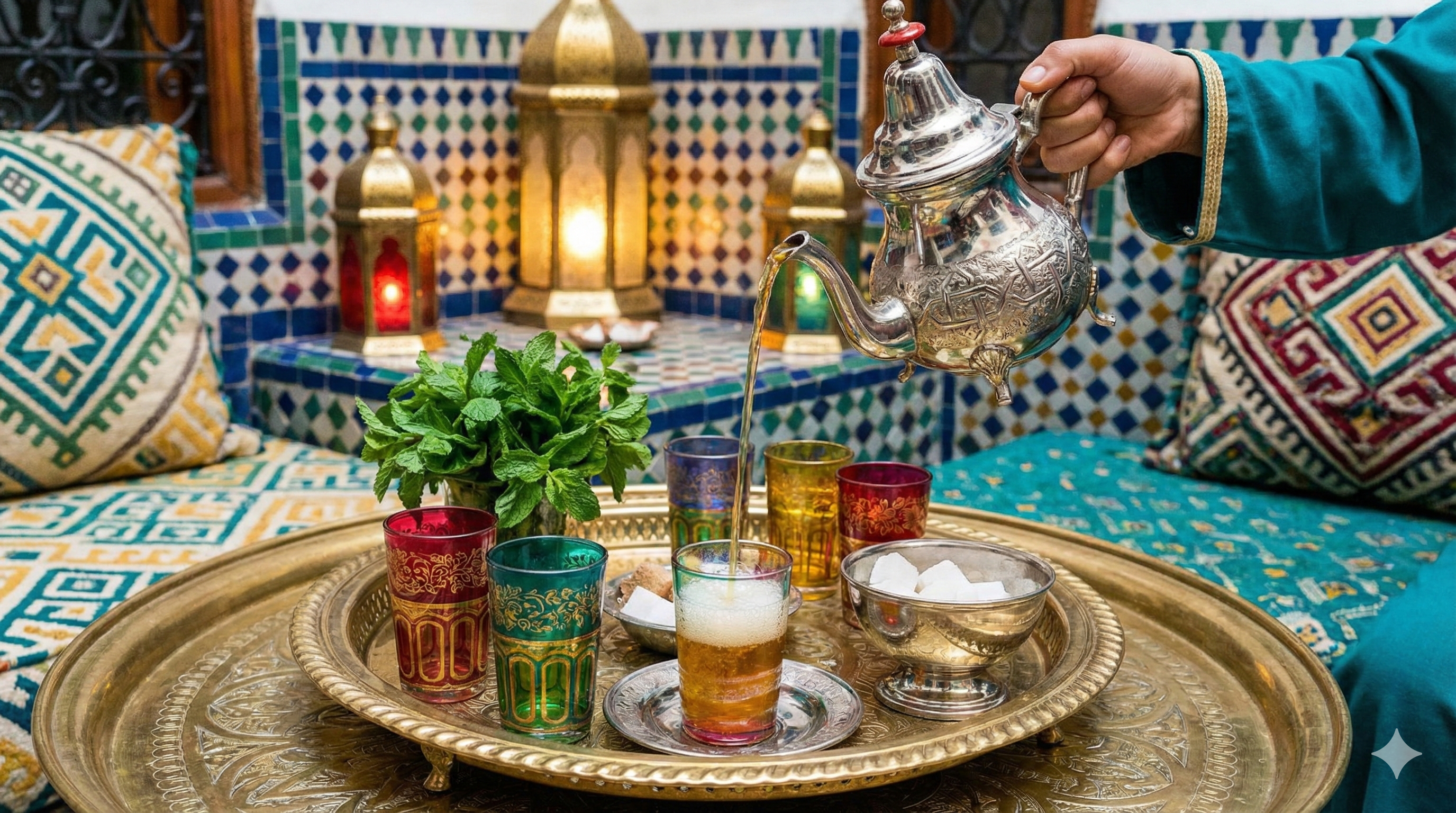
Known as "Moroccan whiskey," this sweet mint tea is central to Moroccan hospitality. The dramatic pouring from height creates a frothy top and cools the tea. Refusing a cup is considered impolite—guests traditionally drink three cups.
Chinese gunpowder green tea is combined with fresh spearmint and sugar.
The first steep is poured back into the pot to mix the flavors thoroughly.
Tea is poured from a height of 12+ inches to aerate and create foam.
"The first glass is gentle as life, the second strong as love, the third bitter as death."
Think you know your tea? Put your knowledge to the test with our interactive quiz!