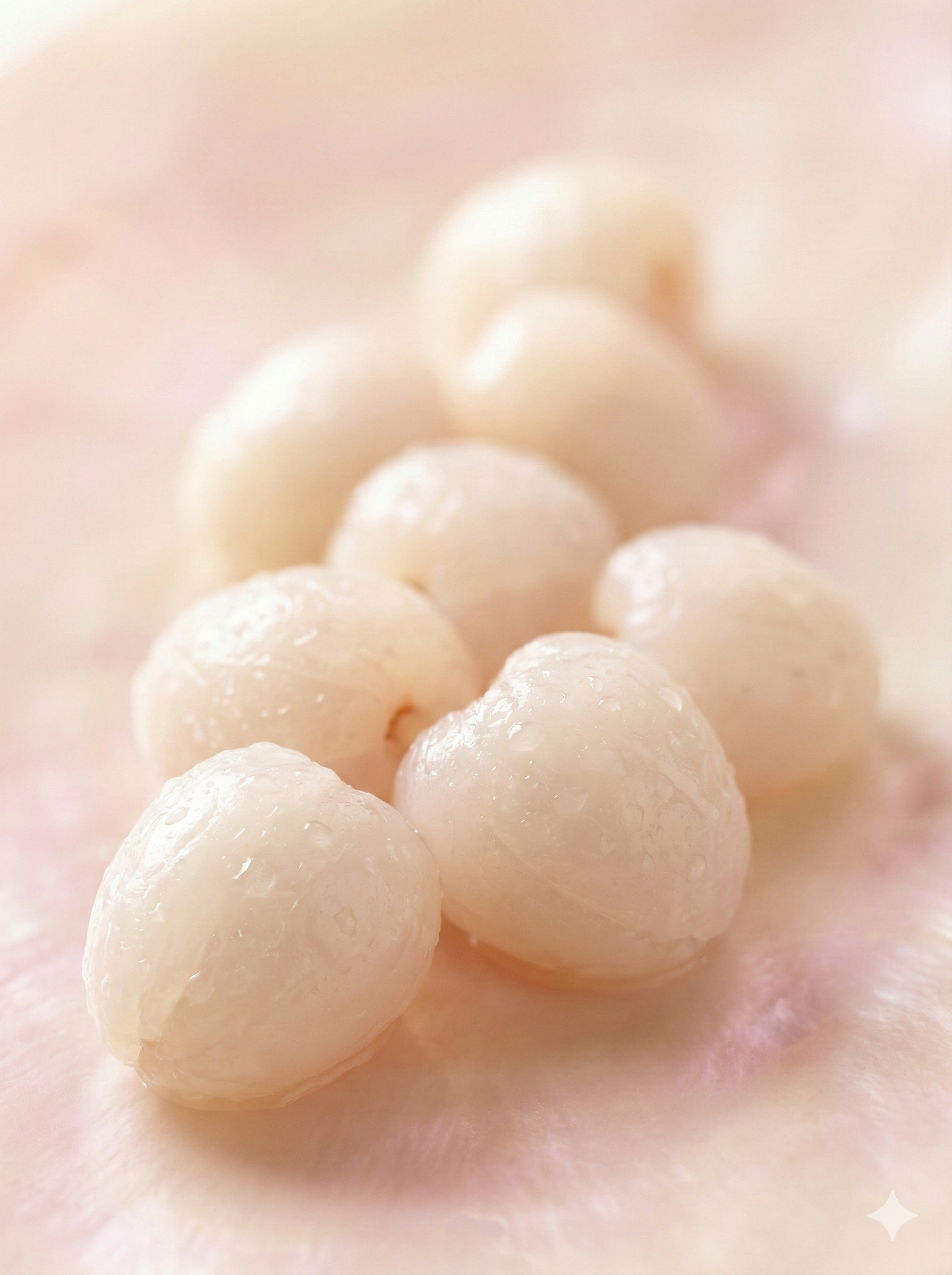
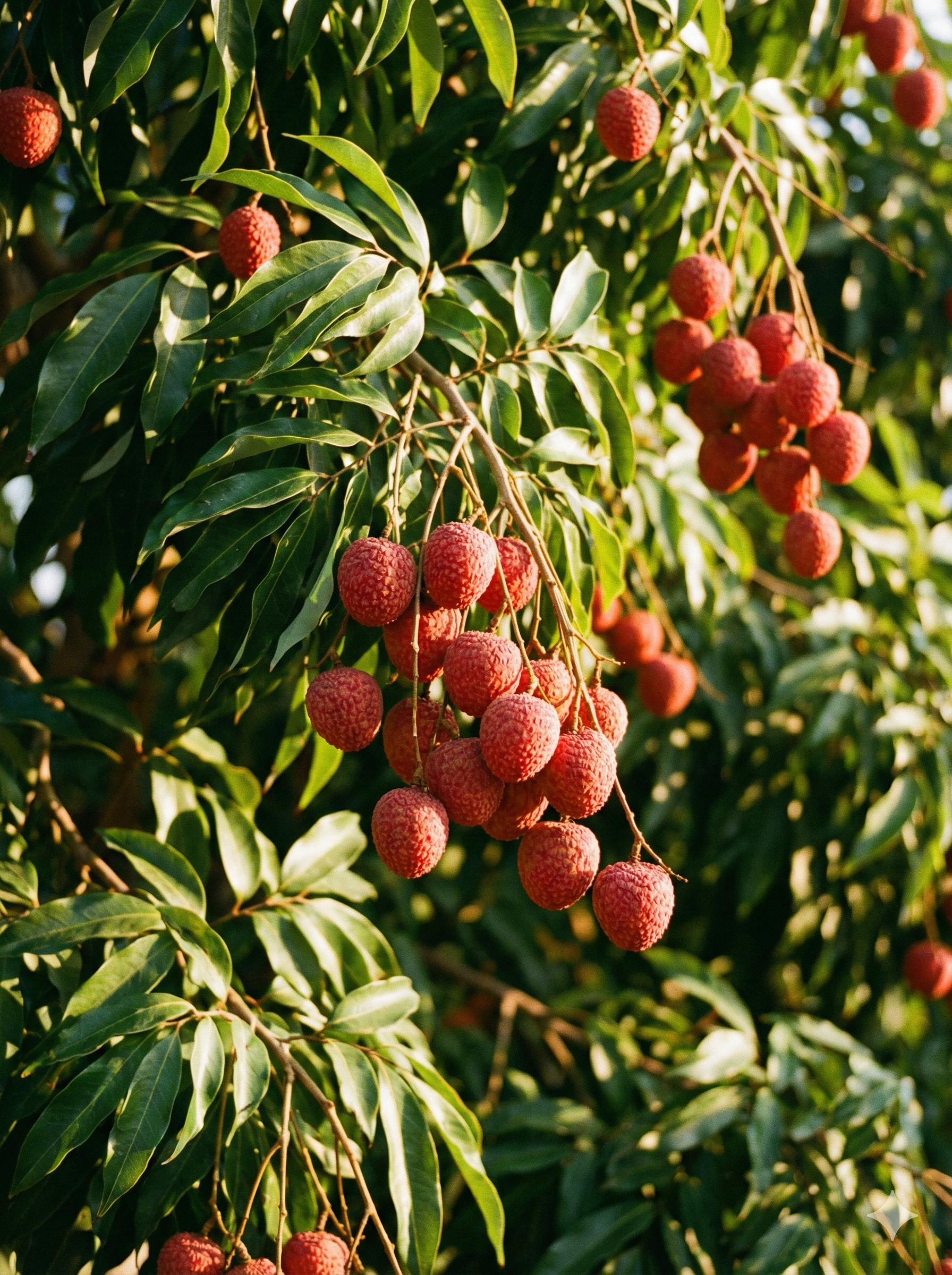
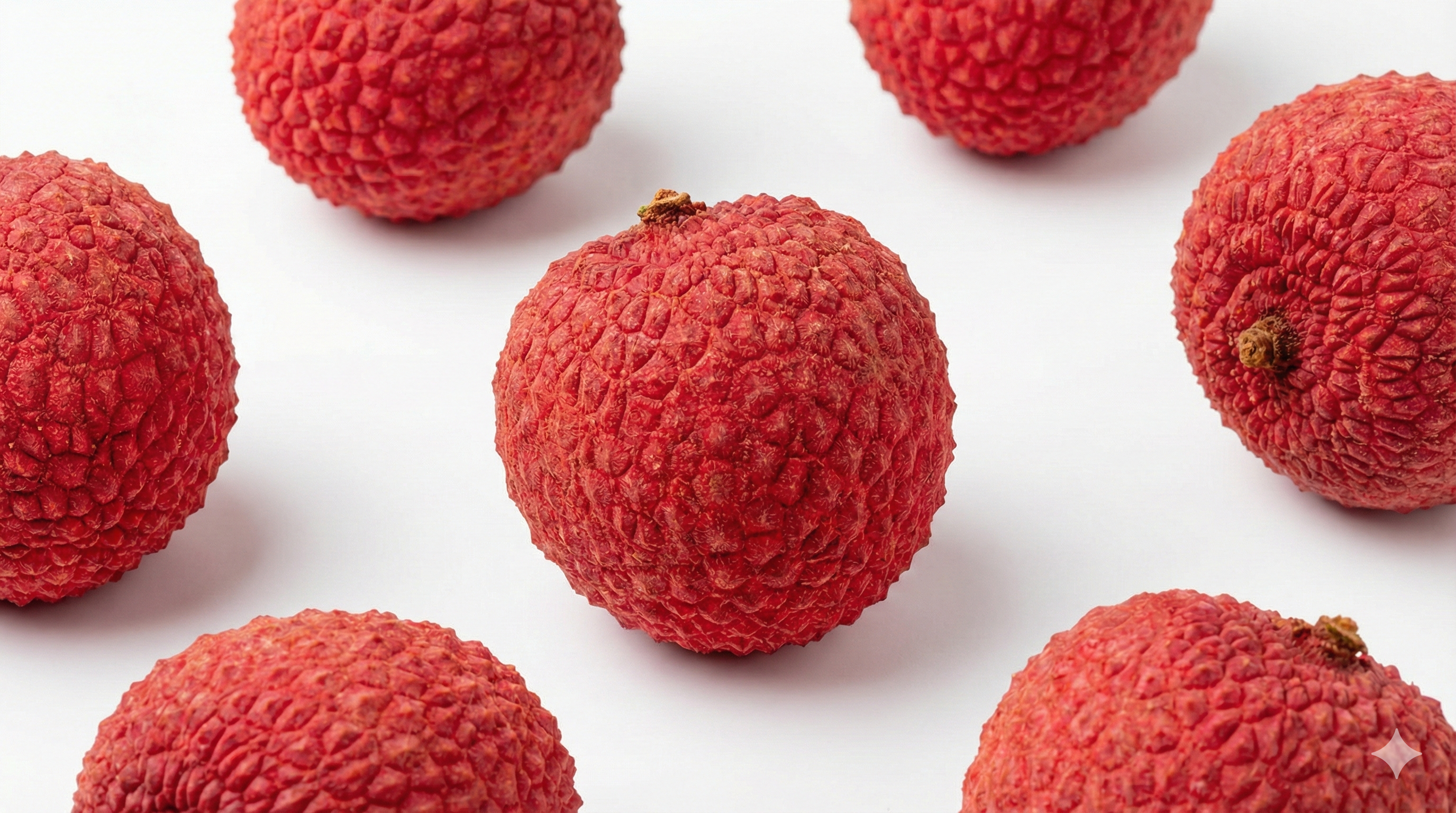
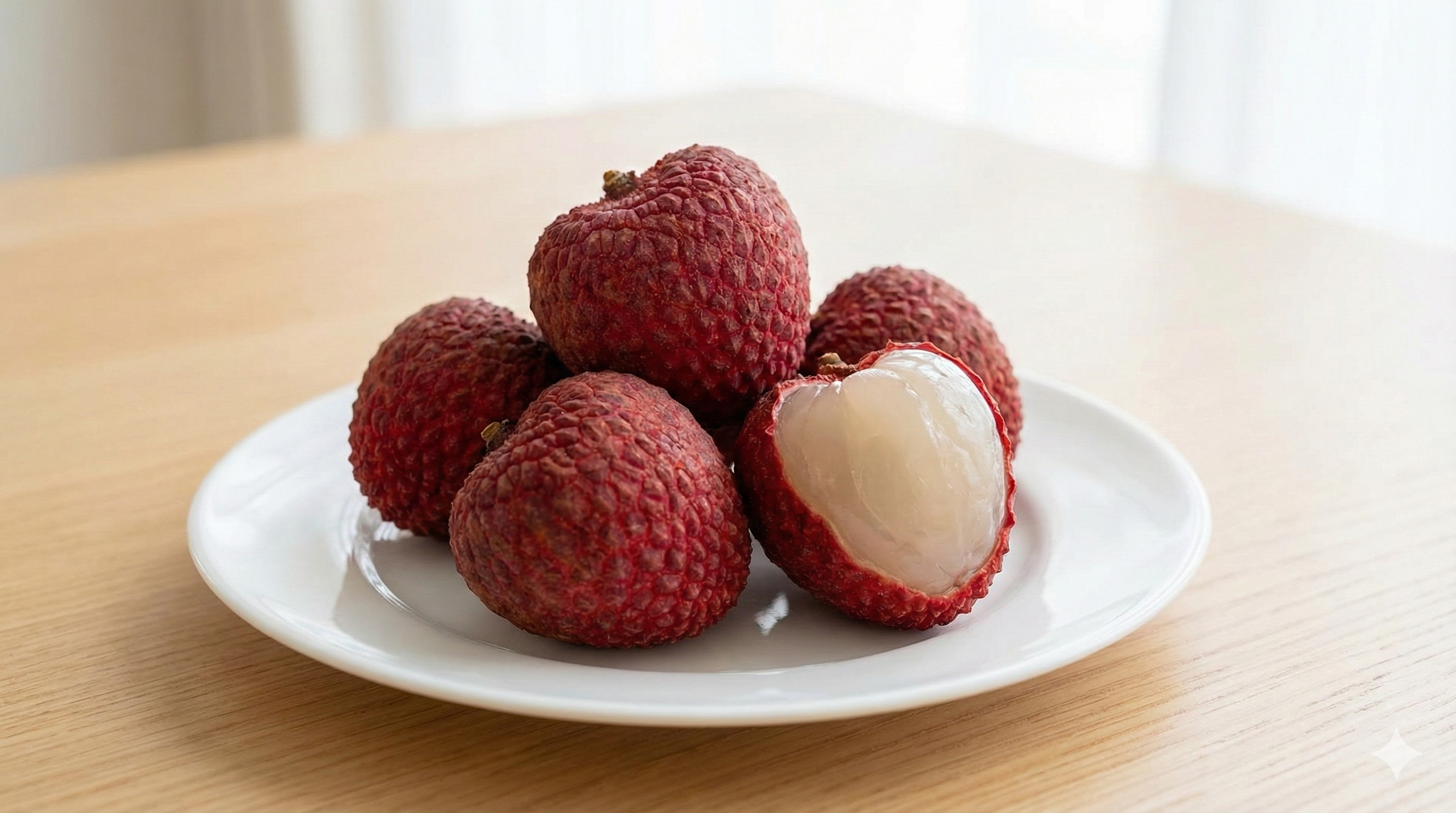
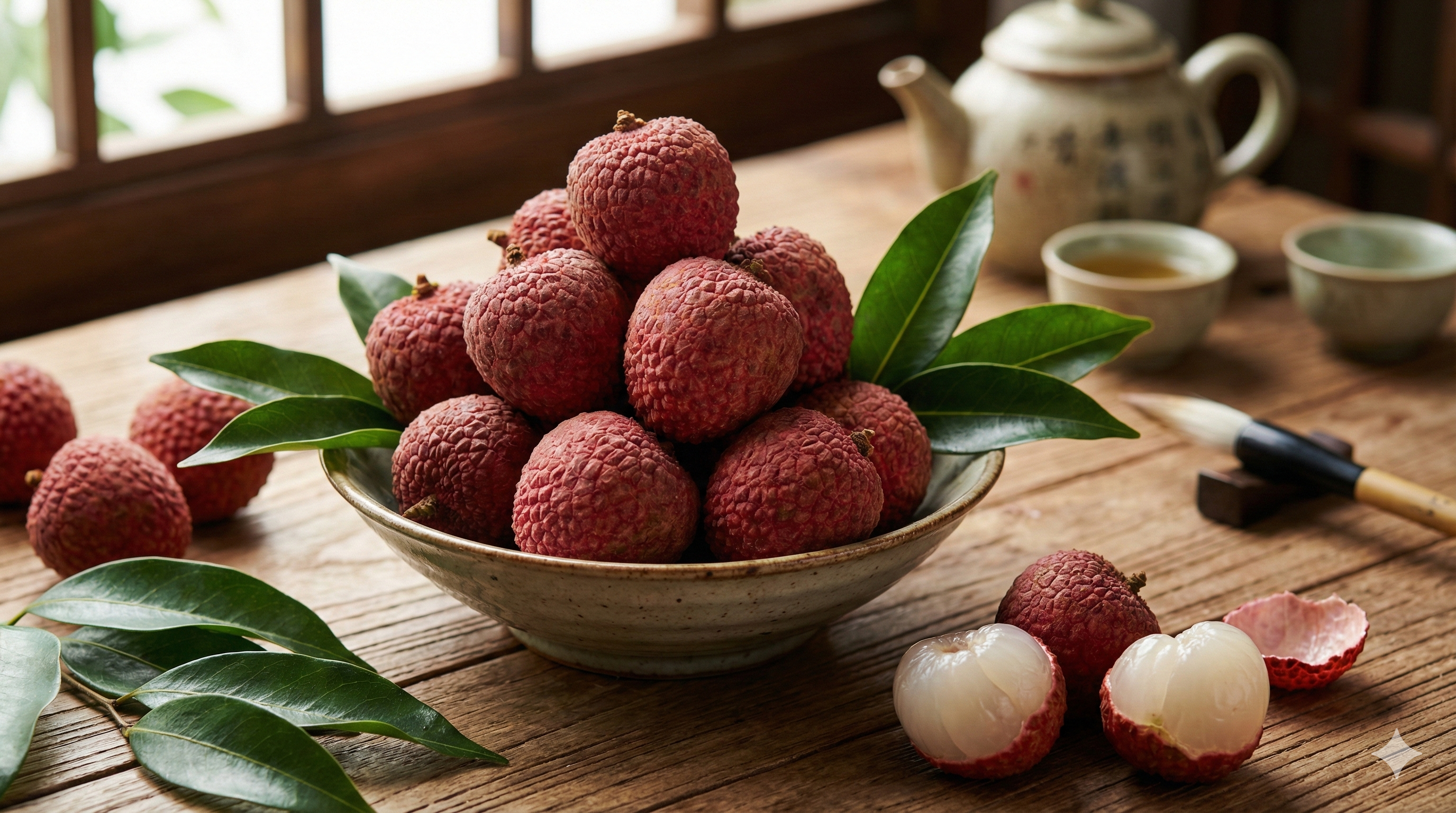
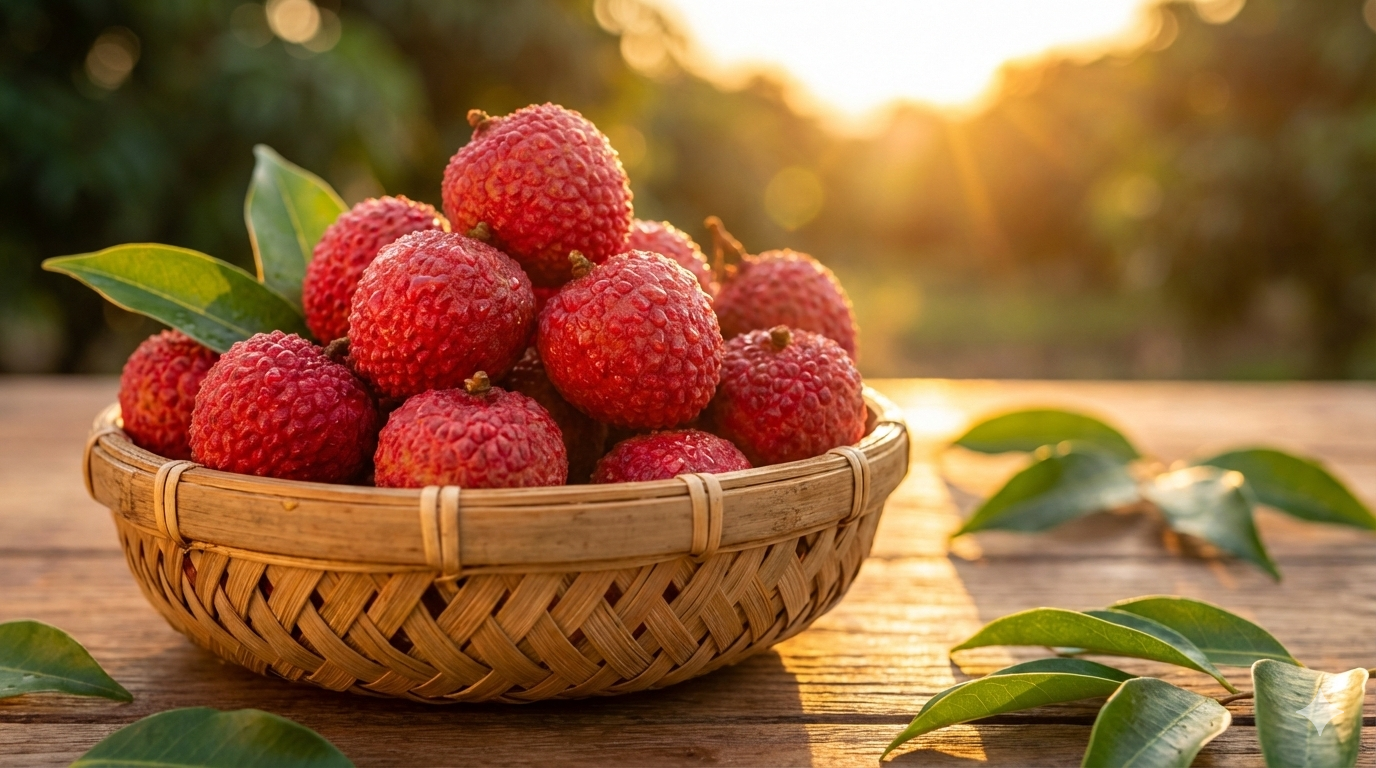
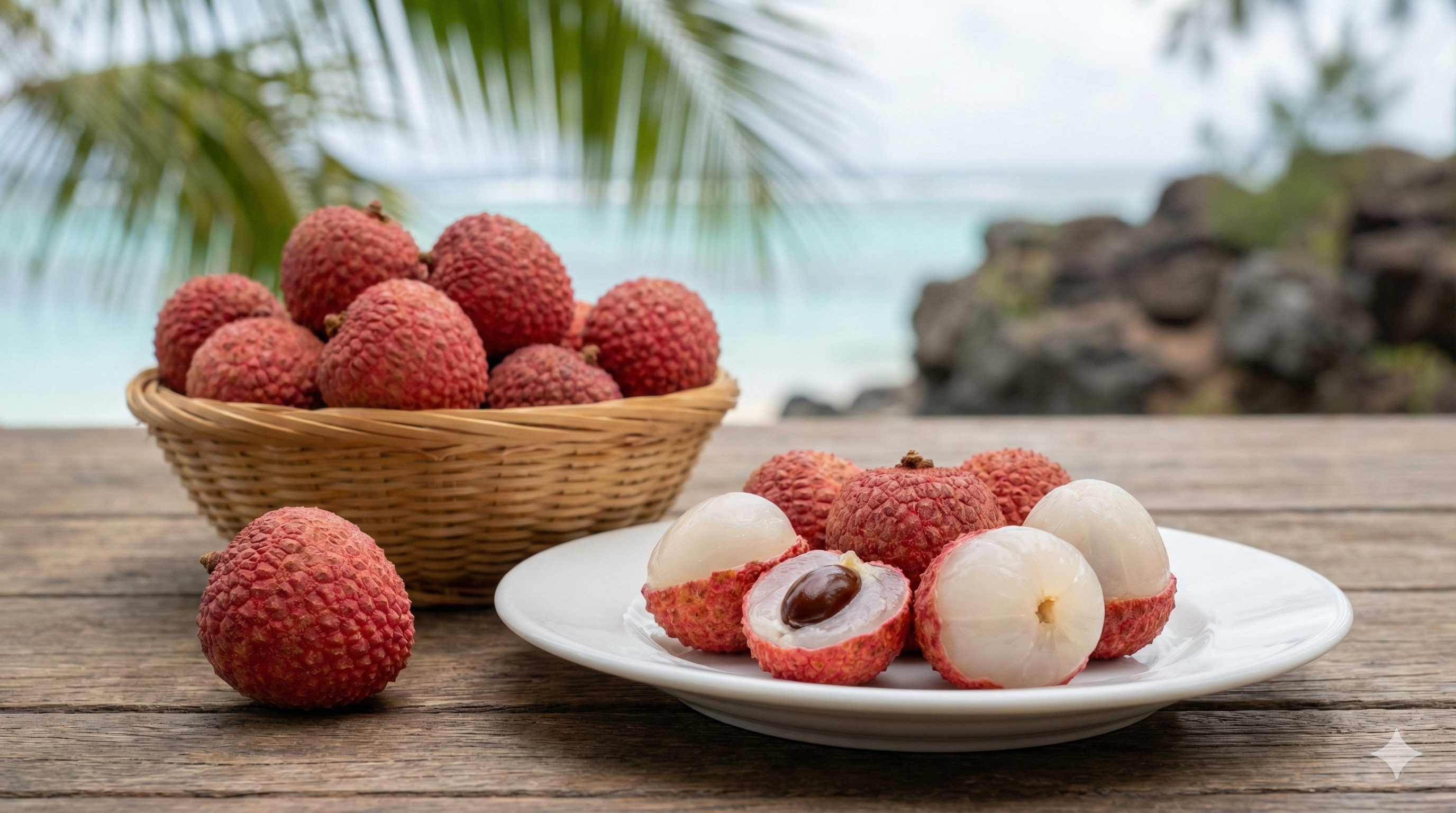
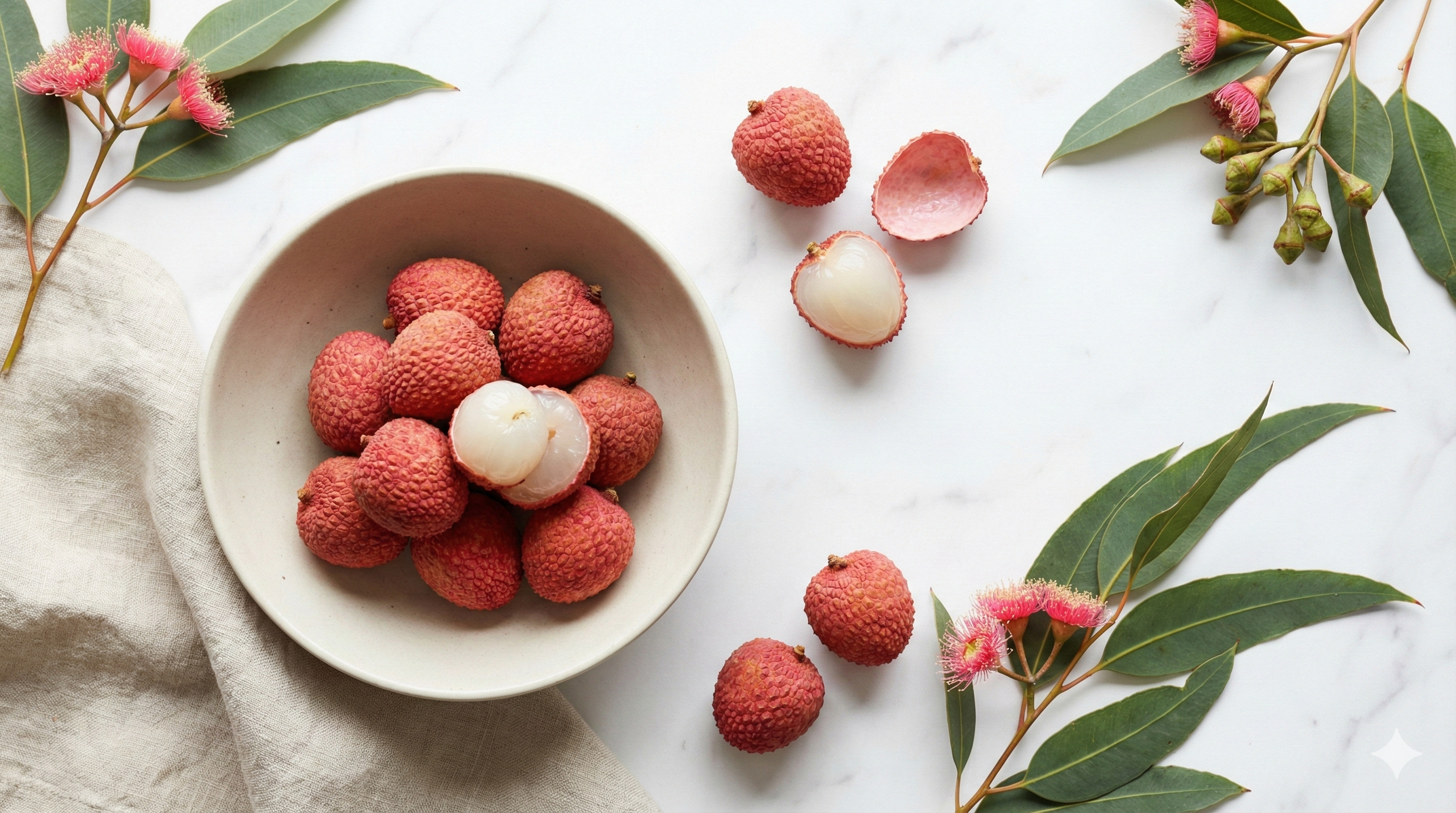
An ancient treasure from China with over 2,000 years of cultivation. Sweet, aromatic, and packed with extraordinary health benefits that have captivated cultures worldwide.
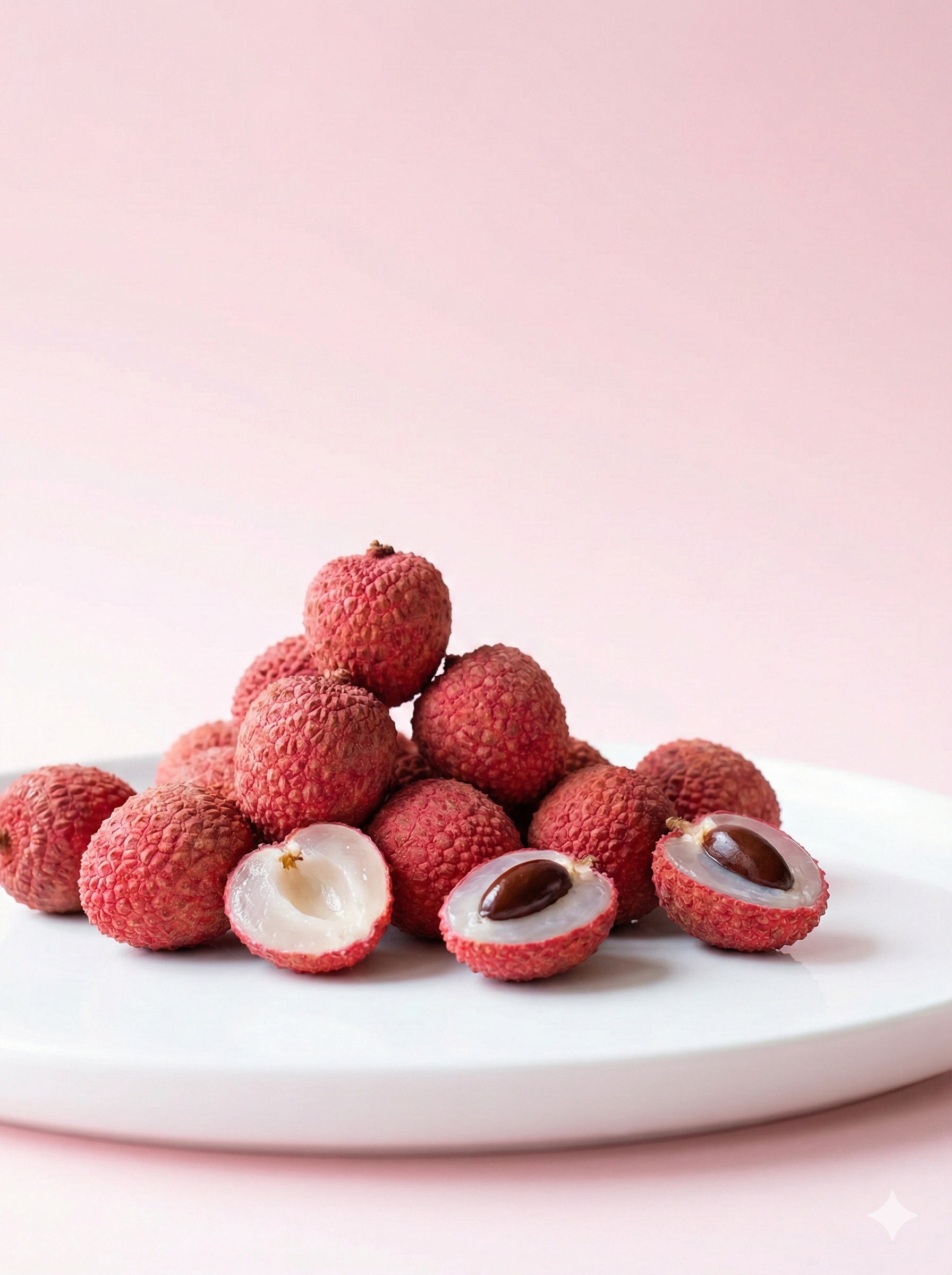
Discover the impressive nutritional value packed into every serving of fresh lychee
Adjust quantity to see nutritional values
Explore the diverse world of lychee cultivars from around the globe
🇨🇳 China
One of the largest lychee varieties, prized for its impressive size (up to 40g each) and exceptionally sweet, aromatic flesh with a small seed.
🇨🇳 China
A heart-shaped variety known for its deep red skin and perfectly balanced sweetness. Popular in Southeast Asian markets.
🇨🇳 China
Named for its dark green leaves, this Cantonese variety offers intense sweetness with subtle honey undertones and small seeds.
🇮🇳 India
The "Royal" lychee from Bihar, India. Medium-sized with exceptional aroma, rose-like fragrance, and rich, complex flavor profile.
🇮🇳 India
From the "Lychee Capital of India," this variety has GI protection. Known for its bright red color, juicy flesh, and distinct sweetness.
🇲🇺 Mauritius
A globally popular commercial variety, adapted to various climates. Reliable producer with consistent quality and pleasant mild sweetness.
🇺🇸 USA
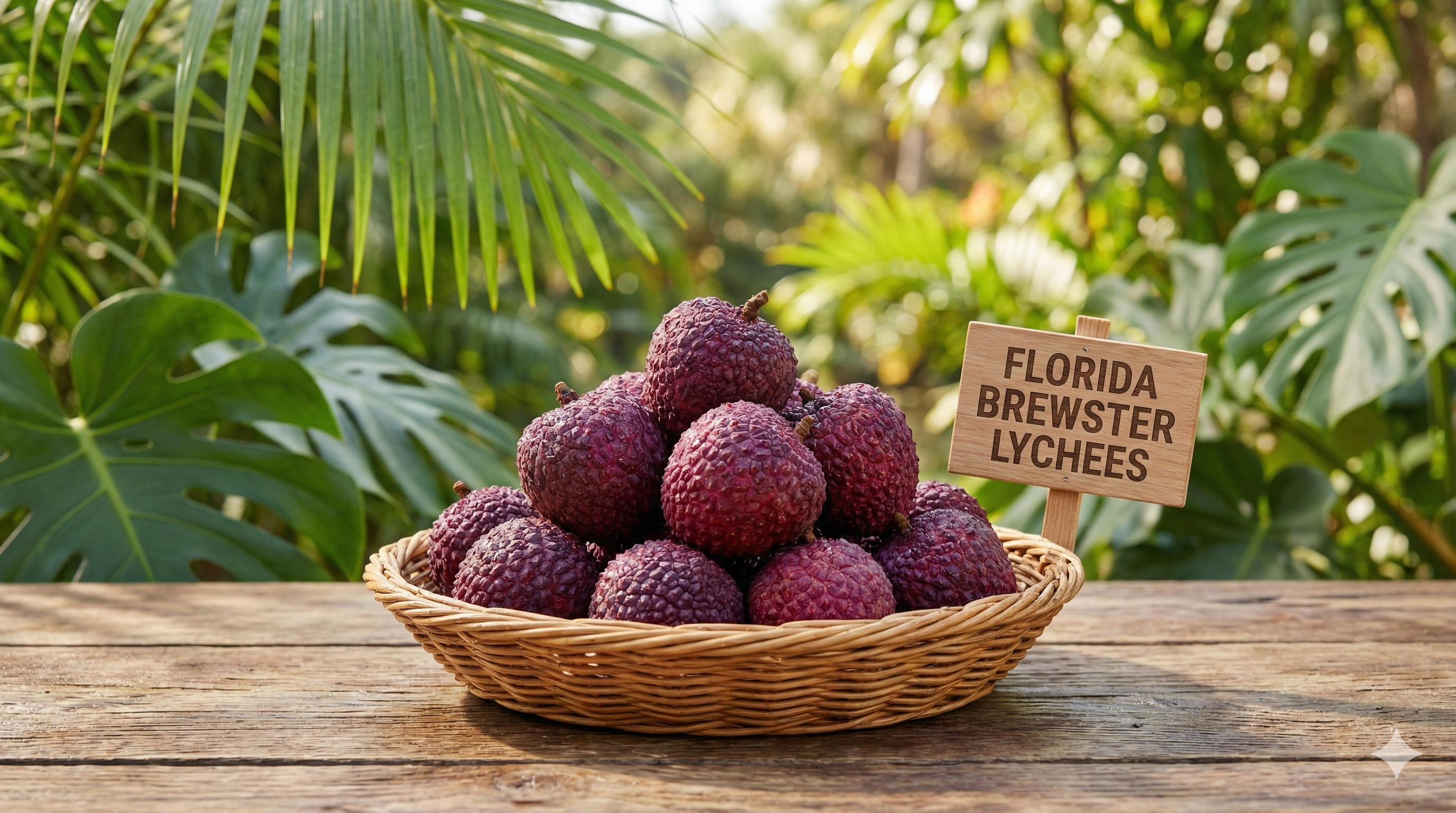
One of Florida's earliest cultivated varieties, thriving in subtropical climates since the late 1800s. Medium to large fruit with reddish skin and pleasant sweet-tart flavor.
🇦🇺 Australia
Australia's most popular variety, developed for reliable fruiting. Pink-red skin, small seed, and exceptional sweet flavor with floral notes.
Science-backed reasons to add lychee to your diet
With 72mg of Vitamin C per 100g (80% daily value), lychee strengthens immune response and helps the body fight infections effectively.
Learn morePotassium and polyphenols in lychee help regulate blood pressure and reduce LDL cholesterol, supporting cardiovascular wellness.
Learn moreVitamin C promotes collagen production while antioxidants combat free radicals, reducing signs of aging and improving skin texture.
Learn moreDietary fiber and high water content support healthy digestion, prevent constipation, and maintain a balanced gut microbiome.
Learn moreB-vitamins and copper support neurotransmitter function, improving memory, focus, and overall cognitive performance.
Learn moreOligonol, epicatechin, and rutin provide powerful antioxidant protection, reducing inflammation and oxidative stress throughout the body.
Learn moreExplore the major lychee-producing regions across the world
The birthplace of lychee cultivation, China has been growing this prized fruit for over 2,000 years. The southern provinces of Guangdong and Fujian produce the finest varieties, including the legendary Emperor lychee.
Plan your lychee consumption around peak harvest seasons worldwide
Peak: May - July
Peak: May - June
Peak: June - July
Peak: April - June
Peak: Nov - Feb
Peak: June - July
Look for bright red to pink skin with no brown spots. The fruit should feel firm but give slightly when pressed.
Store unwashed lychees in a perforated plastic bag in the refrigerator for 1-2 weeks. The skin may darken but the fruit inside stays fresh.
May through July offers the best selection and prices in the Northern Hemisphere. Shop at Asian markets for variety.
Freeze whole unpeeled lychees in airtight containers for up to 6 months. Thaw partially before peeling for best texture.
Discover surprising facts about this beloved tropical fruit
Emperor Xuanzong of Tang Dynasty loved lychees so much that he had fresh fruits delivered 600 miles on horseback to please his concubine Yang Guifei.
Lychee cultivation in southern China dates back to 2000 BC, making it one of the oldest cultivated fruits in human history.
The name "lychee" derives from the Cantonese pronunciation of "lìzhī" (荔枝). The fruit is also spelled "litchi" or "lichee" in different regions, reflecting various transliterations.
Lychee honey is a prized delicacy in China, produced by bees that feed on lychee flower nectar during spring. It has a distinctive floral aroma.
Lychee belongs to the soapberry family (Sapindaceae), making it a cousin to rambutan, longan, and even maple trees!
Lychee trees take 3-5 years to produce fruit from grafted plants, or up to 10-25 years when grown from seed. Patience is key!